Disposable-to-Heirloom Field Guide
Cheap camping chairs feel harmless until they start piling up in the garage. One breaks, we grab another on sale, and suddenly we have a stack of wobbly, half-torn seats and no plan for any of them. This guide is about doing better with what we already own, then choosing a premium handmade folding chair that can actually stay with us for the long haul.
We will walk through how to check the old chairs, how to retire or reuse them in a smarter way, and what to look for when you are ready to invest in something that will age with you. Think of it as a reset for your lounging life, from disposable to heirloom.
Trade-in Time for Tired Camping Chairs
Late fall is the perfect reset moment. Camping trips, games, festivals, backyard hangs, they are mostly behind us. Before we shove gear into a cold corner for winter, we can pause and decide which pieces have earned a future and which are done.
Those cheap chairs are built to be forgotten. They bend, rip, rust, and then quietly head to the landfill. Keeping a chair until it finally snaps only feels responsible if we also choose where it goes next.
Instead of repeating the buy-break-toss cycle every warm season, we can shift to a buy-it-for-life mindset. A single premium handmade folding chair can become the anchor of our indoor and outdoor lounging, while the throwaway seats slowly phase out.
How to Diagnose Your Old Camping Chair
Before we toss anything, we need to know what we are working with. Start with a quick safety check.
Look closely at:
- Frame joints and crossbars
- Rivets and screws
- Locking or folding points
- Fabric edges and seams
Open and close the chair a few times. Listen for grinding or cracking. Check if any legs bow when you sit, or if the seat sags so low your knees are up by your chest. Rust, mildew, and stains might be ugly, but they are not always a deal-breaker. Torn seams around the seat, broken locks, or bent metal that leans to one side, those are real warning signs.
You can sort each chair into one of three paths:
- Still usable, with maybe a light clean or small fix
- Structurally unsafe, ready to be retired and recycled in parts
- Sentimental or interesting enough to become an upcycle project
This simple filter keeps us from tossing a whole chair when only part of it is truly done.
Retiring, Recycling, and Sharing Responsibly
When a camping chair is no longer safe, the kindest thing is to retire it the right way. Most chairs mix metal, plastic, and fabric, so the trick is to split those up.
Basic steps look like this:
- Cut off the fabric with scissors
- Remove plastic caps, armrests, or cup holders
- Separate the bare metal frame
Metal frames may be accepted at local scrap metal drop-offs. Some town programs will take certain plastics if they are clean and sorted. The fabric can live on around the house as rags, ground covers, or even pet mats. Hardware like bolts or clips can be saved for future fixes.
If a chair is still safe but just not loved, it might be better as a shared resource than as clutter. Community centers, sports clubs, gear libraries, and "Buy Nothing" style groups often welcome simple, working chairs. Just make sure:
- It opens and locks without sticking
- There are no sharp edges or broken parts
- The fabric is clean and free of mold
That way, we are giving something that actually helps, not passing along a problem.
Upcycling with Meaning and Memory
Some old chairs hold stories. Maybe the fabric is faded from years of sun or marked with campfire smoke. When a chair like that cannot safely hold weight, we can still let it hold memories.
Easy upcycle ideas for the fabric include:
- Simple tote bags for groceries or beach days
- Hanging storage slings in a closet or gear nook
- Garden organizers for tools and gloves
The frame can become:
- A light trellis for climbing plants
- A drying rack for towels or gear in the garage
- Wall hooks when cut into sections
For memory-heavy pieces, even a small patch of fabric can be framed as wall art, sewn onto a picnic blanket, or turned into a little cushion. Doing this as a fall or early holiday project with kids or friends turns "trash" into stories and even handmade gifts.
Choosing a True Buy-It-for-Life Chair
Once the clutter clears, we can be more thoughtful about what comes in next. A premium handmade folding chair works differently than a thin metal camp chair. It starts with the materials.
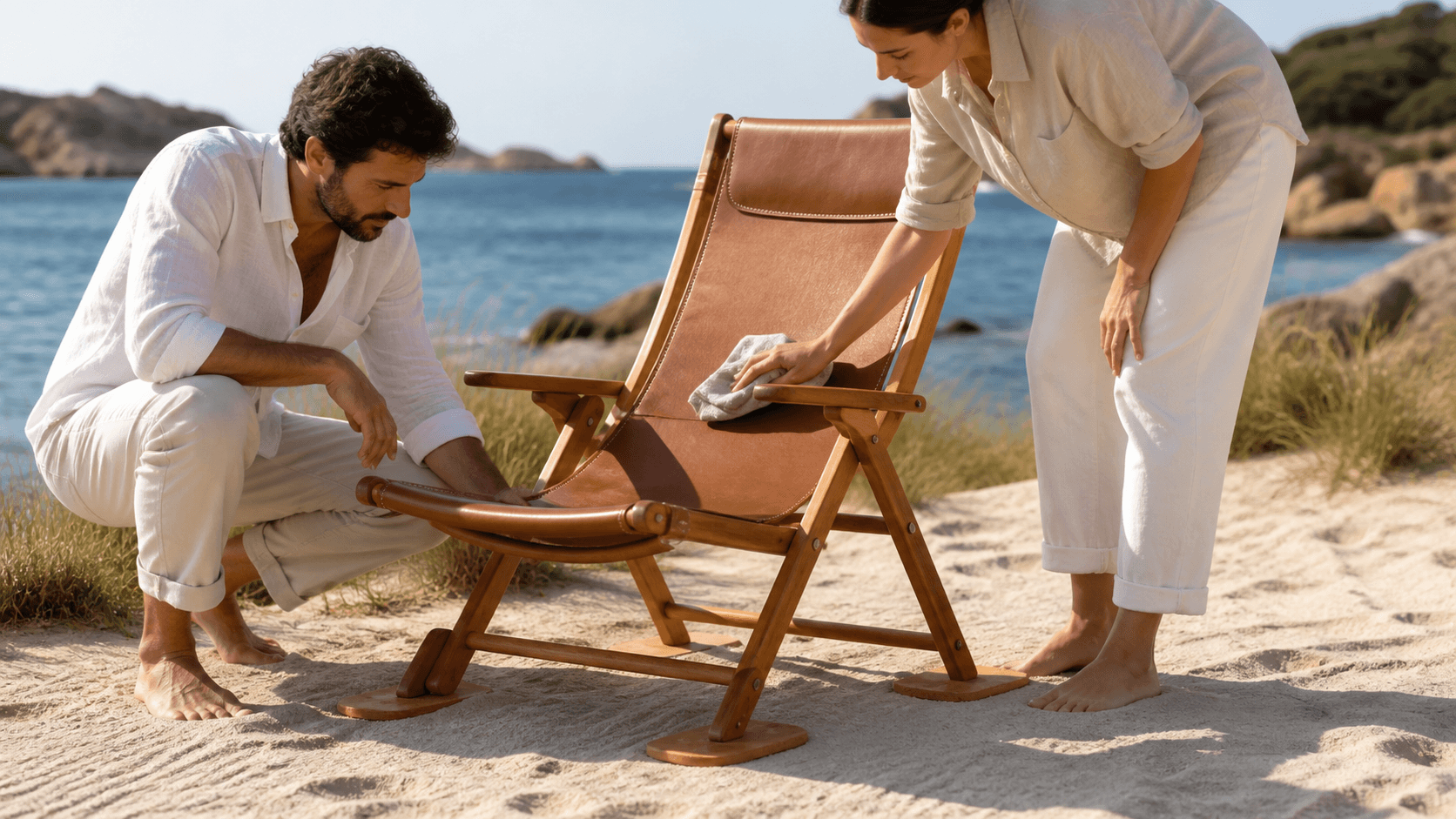
Solid hardwoods like oak age with grace. They can handle daily life, small dings, and changes in seasons when cared for. Natural leather softens, shapes to the body, and develops a deep patina instead of cracking like coated fabric. Solid brass hardware resists rust and keeps moving parts smooth.
Design details matter too:
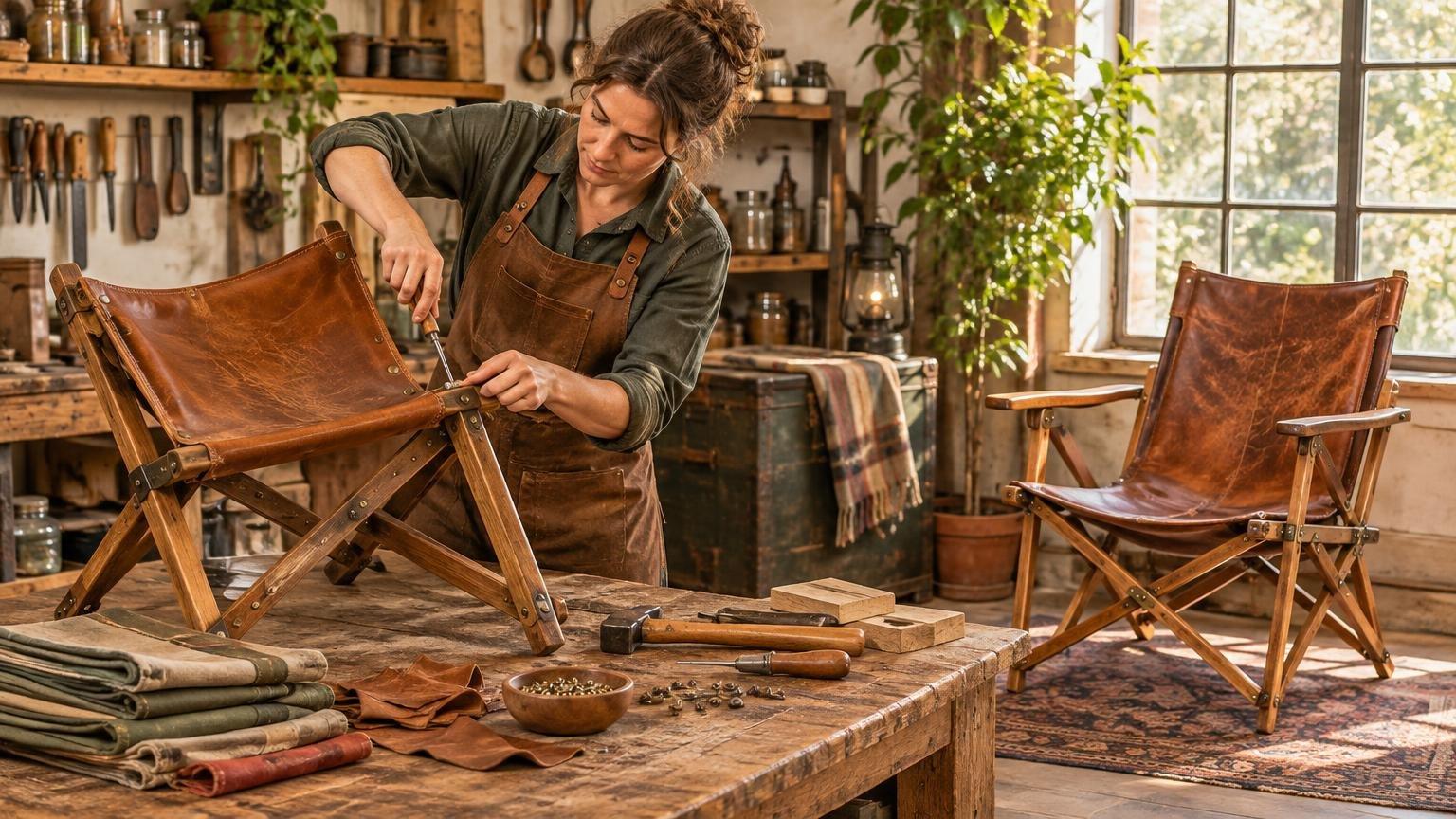
- Joinery that can be repaired instead of tossed
- Parts that can be replaced if they ever fail
- A stable folding motion that feels steady
- Real back and seat support so you want to use it often
When we think in cost-per-year instead of sticker shock, one heirloom-quality chair that works indoors and out can easily outlast a whole stack of disposable ones. It also looks at home by the fire, on the porch, or at the campsite, instead of screaming "temporary."
Why a Premium Handmade Folding Chair Changes Everything
At ImImprint, we build folding chairs from solid oak, natural leather, and brass hardware so they can slowly collect a life story instead of falling apart. Scratches in the wood, marks in the leather, soft shine on the brass, those details turn into a record of all the places the chair has been with you.
Because the chair folds, it is not stuck in one season. It can be:
- Extra seating at a holiday table
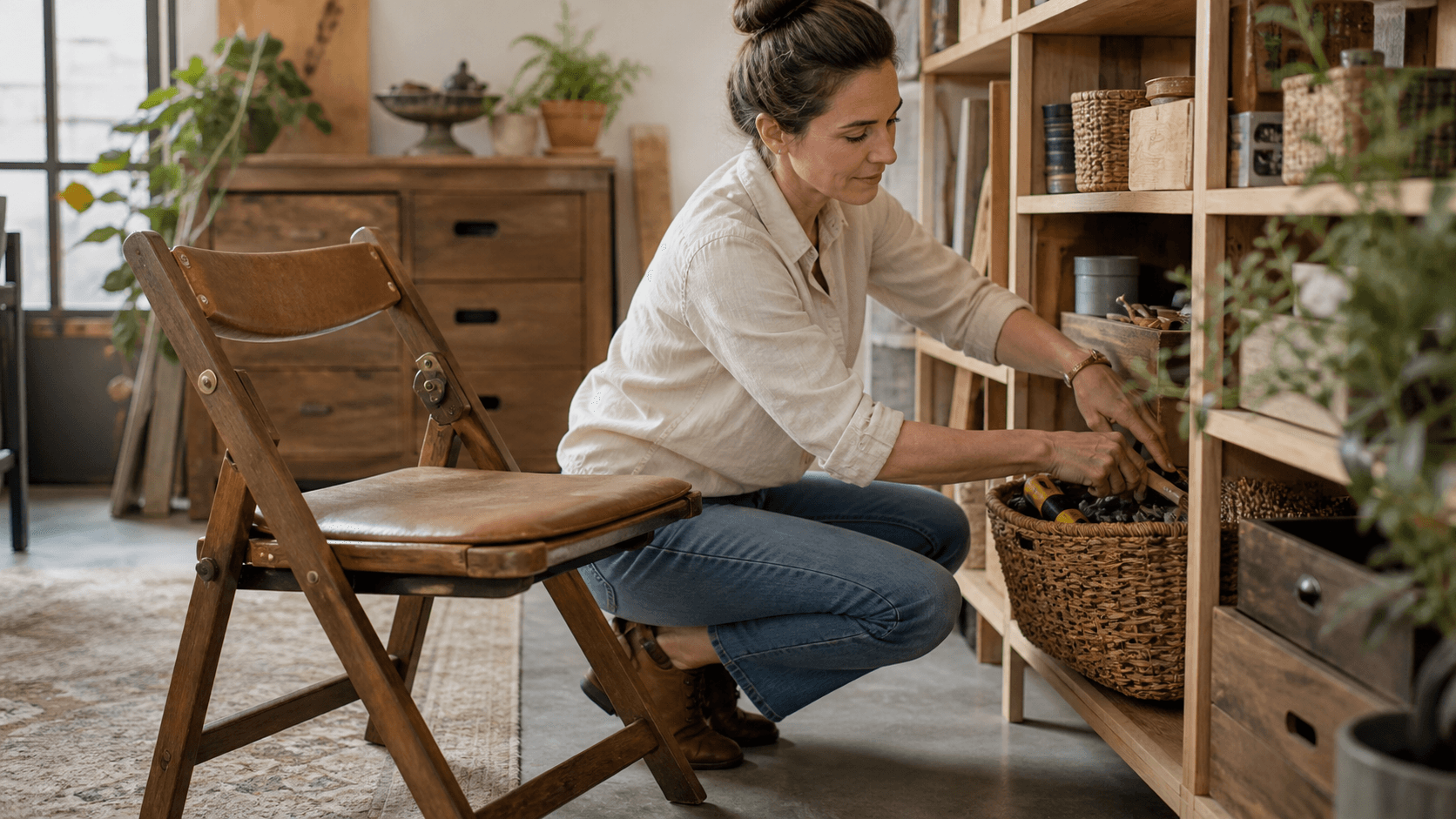
- A cozy reading spot by the window in winter
- A porch or yard lounge chair when the days warm up
- A trusted campfire seat when you head back outside
Owning fewer, better pieces changes how we treat our things. A well-made folding chair invites care. We wipe it down, store it thoughtfully, and pass it along when we are ready. It feels personal, not disposable, and that shift is where real emotional sustainability begins.
Making the Swap with Intention
Moving from disposable to heirloom does not have to happen all at once. Start with a simple plan: assess every old camping chair, sort each into keep, retire, or upcycle, then set a clear "last season" for any chair that is on its way out.
Pick one weekend before winter truly settles in. Clear out broken chairs, drop metal at recycling, start one small upcycle project, and take time to research a premium handmade folding chair that fits the way you actually live. When spring comes, you will have less clutter, more meaning, and a seat that feels ready for decades of stories instead of just one more season.
Upgrade Your Seating Experience With Thoughtful Craftsmanship
Choose comfort, quality, and character for your next event or everyday use with our premium handmade folding chair. At ImImprint, we carefully design and build each piece to blend durability with a refined, timeless look. We are ready to help you find the right style, finish, and details for your space. Explore our collection today and bring purposeful, long-lasting seating into your home or venue.